

An out-of-hours call handling service answers your business phone when you're closed, off a job site, or asleep, instead of sending callers to voicemail. The real distinction isn't "answered vs. unanswered" — it's whether a human picks up on the other end, an AI system triages the call and texts you the details, or the caller just gets a recording. Each model has a different cost structure, and the cheapest one for a low-volume plumber is often the worst one for a multi-location HVAC company.
TL;DR:
- Out-of-hours call handling routes after-hours calls to a live agent, an outsourced answering service, or an AI system — not to voicemail, which most callers simply hang up on.
- Live answering services like Moneypenny and AnswerConnect price by call volume or minute blocks, so your bill moves with how busy you are, not just with the hours you're closed.
- One-time-purchase AI answering systems replace the per-minute subscription model with a flat setup cost, which changes the math once you're past a few dozen after-hours calls a month.
- California and other two-party-consent states legally require disclosure before a call is recorded, a detail that catches answering services off guard when they expand across state lines.
- The right choice depends on call volume and urgency, not brand reputation: emergency trades need fast triage, while solo operators often do fine with text summaries and a callback window.
Table of Contents
- Out-of-Hours Call Handling Service Pricing: Moneypenny, AnswerConnect, and What You'll Actually Pay
- Call Customer Service vs. Call Handling: Why the Distinction Matters
- Why 24/7 Customer Support Exists, and When You Don't Need It
- Live Agents vs. AI Call Handling: The Trade-off Nobody States Plainly
- Finding the Best Out-of-Hours Service in California and Other Two-Party-Consent States
- Red Flags to Rule Out Before You Sign Anything
- Get a One-Time-Purchase Alternative to the Per-Minute Treadmill
- Frequently Asked Questions
- Sources
Out-of-Hours Call Handling Service Pricing: Moneypenny, AnswerConnect, and What You'll Actually Pay

Live-agent answering services almost never charge a flat hourly rate for being "on call." They charge for call volume, usually structured as a monthly plan covering a set number of calls or minutes, with overage billed per call or per minute once you go over. Moneypenny, one of the better-known live-answering brands, publishes its pricing openly and structures it around how many calls you expect per month rather than a simple hourly fee — the exact current rate is worth checking directly on their site since these figures move. AnswerConnect follows the same pattern common across the live-answering industry: tiered monthly plans built around a block of minutes, with per-minute overage charges once you exceed it. Neither model charges you less because your calls come in at 11 p.m. instead of 11 a.m. — volume drives the price, not the clock.
A plan built for 100 calls a month and a plan built for 500 calls a month are not the same product with a different price tag — they're different contracts with different overage math.
Compare that to staffing it yourself. The U.S. median hourly wage for a customer service representative sits in the high teens, according to Bureau of Labor Statistics occupational wage data — and that's before overtime differentials for nights and weekends, payroll taxes, or the cost of training someone to represent your brand correctly on the first call. For a single-location shop, hiring a person to sit by the phone from 6 p.m. to 8 a.m. almost never pencils out. For a five-truck operation fielding genuine after-hours emergencies, it sometimes does.
AI call handling systems break from both models. Instead of billing by the minute, a one-time-purchase system charges a setup fee once and then, depending on the vendor, either nothing further or a small optional monthly fee for ongoing tuning. That flips the economics: your cost doesn't climb as your call volume grows, which matters a lot if you run multiple brands or numbers under one roof.
Call Customer Service vs. Call Handling: Why the Distinction Matters
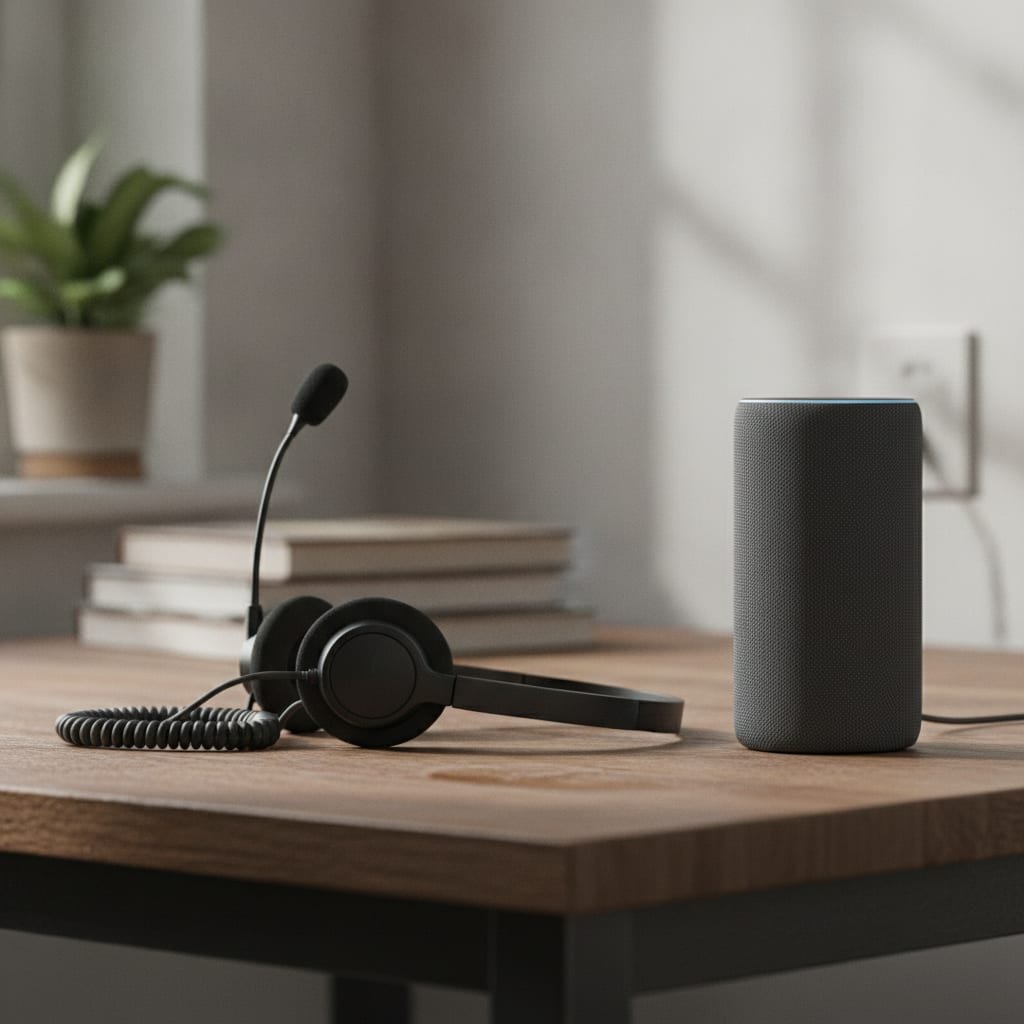
"Call customer service" usually means a person or system resolving an existing customer's issue — a billing question, a complaint, a status update. "Call handling" is broader and happens earlier: it's the triage step that decides what happens to an inbound call before anyone resolves anything. A call handling service figures out who's calling, why, and how urgent it is, then routes accordingly — to a live agent, a voicemail box, an emergency dispatch line, or a text message to the owner.
This distinction matters because a lot of businesses buy a customer service solution when what they actually needed was call handling. A customer service rep is expensive and often overqualified for the job of writing down a name, number, and job address. Call handling, done well, is a filtering function — it makes sure the right calls reach a human and the rest get logged without anyone's evening getting interrupted for a wrong number or a sales pitch.
Why 24/7 Customer Support Exists, and When You Don't Need It

Businesses run 24/7 support because the cost of a missed call compounds faster than most owners expect. A caller with a burst pipe at 9 p.m. doesn't wait until 8 a.m. — they call the next plumber on the list. What unanswered phone calls really cost your business walks through the mechanics of that lost-job math in more detail, but the short version is simple: every unanswered call is a coin flip between "they'll call back" and "they already found someone else."
That said, 24/7 coverage isn't universally necessary. A landscaping company that does scheduled maintenance work has almost no genuine after-hours emergencies — a missed Saturday-night call from a lead who wants a quote can wait until Monday without losing the job. An emergency electrician or an HVAC company in a hot climate cannot say the same. If you're deciding whether you need true 24/7 coverage or just extended daytime hours, out-of-hours answering service: costs, options, trade-offs breaks down how to make that call based on your actual missed-call pattern rather than a guess.
Pro Tip: Pull your phone's call log for the last 60 days and tag every missed call by the hour it came in. Most owners assume their after-hours volume is evenly spread; in practice it usually clusters in two narrow windows — right after you close, and early morning before you open — which tells you exactly how much coverage you need, not a blanket 24/7 plan you'll overpay for.
Live Agents vs. AI Call Handling: The Trade-off Nobody States Plainly
Live agents are better at handling genuinely complicated, emotionally charged calls — a customer who's upset, a caller who doesn't fit a standard script, a negotiation. They're also the more expensive option per call, and quality varies by shift, by agent, and by how well the service was trained on your business specifically.
AI call handling is faster to deploy, consistent regardless of time of day or call volume spikes, and — in a one-time-purchase model — doesn't get more expensive as you take more calls. The trade-off is that it's better suited to structured interactions: capturing a name, number, and job description, and texting it to you immediately, rather than resolving a dispute live on the phone. AI answering service: what it actually does and costs covers the mechanics of how these systems actually work on a live call, which matters if you're trying to figure out whether the technology can handle your specific call types.
Where each model tends to win
- Live agents win when calls are unpredictable, high-stakes, or require a judgment call the caller expects answered immediately — think property management dealing with a tenant lockout at 1 a.m.
- AI handling wins when the job is consistent: capture who's calling, what they need, and get that information to the right person fast, which covers the large majority of missed calls for trades businesses.
- A hybrid approach wins for businesses that have a short list of true emergencies (a burst pipe, a no-heat call in winter) mixed with a much larger volume of routine inquiries that don't need a live person at all.
Finding the Best Out-of-Hours Service in California and Other Two-Party-Consent States
If you're shopping for an out-of-hours call handling service in California, there's a legal wrinkle that trips up both businesses and vendors: California Penal Code Section 632 makes it a two-party-consent state for call recording, meaning both sides of the call must be notified before a recording begins. Several other states — including Florida, Illinois, and Washington — have similar requirements. Any answering service or AI system that records calls for quality or transcript purposes needs to disclose that upfront, typically with an automated message before the call connects. If you operate across state lines, confirm your provider's disclosure practice meets the strictest state you serve, not just your home state.
Beyond the legal detail, "best" in California specifically tends to mean the same thing it means anywhere else: a service that matches your actual call volume and urgency profile, not the one with the biggest marketing budget. A service built for California's density of multi-location service businesses should be able to route calls by brand or location without charging you a separate subscription for each one — a detail worth asking about directly before you sign anything.
Red Flags to Rule Out Before You Sign Anything
| Red flag | Why it matters |
|---|---|
| No published pricing | Usually means pricing is volume- or negotiation-based, which makes it hard to budget |
| Per-location or per-number fees | Multi-brand businesses can end up paying multiple subscriptions for one phone system |
| No recording disclosure | A compliance risk in two-party-consent states, and a trust issue with callers |
| Long-term contract required | Locks you in before you know if call volume justifies the cost |
| No live transcript or summary | You're trusting a black box with your customer relationships |
Reading a provider's contract for these five things takes fifteen minutes and tells you more than any sales call will.
Get a One-Time-Purchase Alternative to the Per-Minute Treadmill
If you've read this far, you've probably noticed that almost every option above bills you more as your business gets busier — which is a strange incentive for a tool meant to help you grow. Answello works differently: it's a one-time purchase, not a subscription. The do-it-yourself package is $399 and the fully configured version with a custom script is $895, both one-time, covering unlimited calls and multiple brands or numbers under one payment. When a call comes in, it answers, figures out who's calling and what they need, and texts you the name, number, and request along with a transcript. An optional $119-a-month plan exists if you want ongoing tuning as your scripts evolve, but you can cancel it anytime and the system keeps working without it. The honest limit: it's built for structured call capture, not for resolving complex live disputes — check the spec sheet against your call types before you buy.
Frequently Asked Questions
How much does a call answering service cost?
Live-agent answering services typically price by call volume or minute blocks, often starting in the range of a few dozen dollars a month for small plans and climbing into the hundreds as volume grows, with per-minute overage charges beyond your plan. One-time-purchase AI systems work differently, charging a flat setup fee once — commonly a few hundred dollars — with an optional small monthly fee for ongoing tuning rather than a recurring per-minute charge.
What is call customer service?
Call customer service refers to resolving an existing customer's issue over the phone — billing questions, complaints, order status — usually handled by a trained representative. It's distinct from call handling, which is the earlier triage step of identifying who's calling and routing them correctly, whether to a live agent, voicemail, or an automated system.
How much does Moneypenny charge for call answering?
Moneypenny prices its plans around call volume rather than a flat hourly rate, publishing its current rates directly on its site since pricing structures and tiers change over time. As with most live-answering services, your monthly cost depends primarily on how many calls you expect to receive, not on how many hours you're covered.
Why is 24/7 customer support important?
Round-the-clock support matters because callers with urgent needs — a burst pipe, a lockout, a no-heat emergency — rarely wait until business hours reopen; they call the next available business instead. For companies without genuine after-hours emergencies, though, full 24/7 coverage can be unnecessary cost, and extended daytime hours or an AI summary system may cover the real need.
What's the best out-of-hours call handling service for a small trades business?
The best option depends on your after-hours call volume and how many of those calls are genuine emergencies versus routine inquiries. Low-to-moderate volume trades businesses often do well with a one-time-purchase AI system that captures caller details without a recurring subscription, while high-volume or high-stakes operations may still need live agents for complex calls.
Does AnswerConnect charge differently than other answering services?
AnswerConnect uses the same general model as most live-answering competitors: tiered monthly plans built around a block of included minutes, with per-minute charges once you exceed that allowance. Current rates are best confirmed directly with the provider, since minute allowances and pricing tiers are adjusted periodically.
Sources
- Occupational Employment and Wage Statistics: Customer Service Representatives | U.S. Bureau of Labor Statistics
- California Penal Code Section 632 | California Legislative Information
- Telephone Consumer Protection Act Overview | Federal Communications Commission
- Moneypenny Pricing | Moneypenny
- AnswerConnect Pricing | AnswerConnect
Leave a Reply